
Lab universe
Editie 2026
Programma
Scientific sessions - Life science
Standardising quantification and susceptibility testing of phages for the fight against antibiotic resistance in the lab of the future
In his keynote, Stefan Vermeulen presents PMD4U, a next-generation microfluidic platform developed at HOGent to address the growing need for reliable bacteriophage testing in a One Health context. As interest in phage applications accelerates across food safety, agriculture, and alternatives to antibiotics, PMD4U overcomes the limits of classical, labor-intensive assays by combining automated hardware with proprietary software for rapid and highly precise phage quantification and susceptibility testing. Recently validated with international industrial and research partners, the technology bridges scientific depth and real-world applicability, a promise that is further underlined by the fact that HOGent was awarded the Booth of the Future at this edition of Laborama 360.
Dr. Stefan Vermeulen
HOGENT Departement Health care
10:00
–
10:30
19.03.2026
Science room

Precision oncology: navigating the road from discovery to patient impact
Personalized medicine promises to revolutionize cancer treatment by tailoring interventions to individual patient profiles. Yet, the journey from groundbreaking research to patient impact is complex, requiring collaboration across academia, industry, and healthcare. This talk explores how oncology innovations – spanning targeted therapies, biomarkers & diagnostics, and enabling technologies – are translated into tangible solutions. We will discuss strategies for overcoming translational bottlenecks and VIB’s approach to translating the discoveries made in our research laboratories into solutions that improve outcomes and quality of life for patients.
Phd Jiska van der Reest
VIB
- Business Development Catalyst Manager
10:30
–
11:00
19.03.2026
Science room

Past, present and future of melanoma research and treatment
Melanoma exemplifies the significant advancements in cancer treatment driven by basic and translational research, particularly over the last decade. New therapies, including immune checkpoint inhibitors and targeted treatments for the BRAFV600E mutation, have dramatically improved survival rates for advanced melanoma patients, with a 5-year survival rate rising from around 10% to 52% for those receiving combination therapy. Despite these successes, current treatments are not curative for a majority of patients, especially in genetically diverse cases such as those without BRAF mutations or rare melanoma subtypes. Challenges include both primary and acquired resistance to therapies. Our research group focuses on understanding and targeting the mechanisms behind this resistance through a comprehensive approach that integrates clinical trials, advanced profiling technologies, mouse modeling, and innovative treatment testing, aiming to translate our findings directly into patient care.
Prof. Jean-Christophe (Chris) Marine
KUL – VIB Center for Cancer Biology
- Full Professor , Department of Oncology, KUL - Director , VIB KUL Center of Cancer Biology
11:00
–
11:30
19.03.2026
Science room

Tumor-associated macrophages as novel targets for cancer therapy
For decades, cancer therapies have been focused on targeting cancer cells. By now, it is clear that both stromal and immune compartments of the tumor are important contributors to tumor progression and dissemination and constitute novel therapeutic targets. In this respect, macrophages are often amongst the most abundant immune cells within tumors, for which both pro- and anti-tumoral functions have been reported. Our work focuses on identifying the heterogeneity of these tumor-associated macrophages (TAMs), on finding novel molecular targets for therapy and on assessing nanobody-mediated TAM targeting as monotherapy or in combination with existing therapies.
Prof. Dr. ir. Jo Van Ginderachter
VUB
- Heading the Cellular and Molecular Immunology Lab as tenured full professor at VUB and group leader of the excellence-based research institute VIB.
11:30
–
12:00
19.03.2026
Science room

Combining RNA technology and cell therapy for next-generation cancer treatments
Today’s cancer immunotherapy involves mostly of “checkpoint inhibitors”. Despite their widespread use, these are limited in their efficacy when applied in so-called “immune cold” tumors which are poorly infiltrated by immune cells.
The conversion of “cold” into “hot” tumors, rich in tumor-specific killer T-lymphocytes, is currently the holy grail of immuno-oncology.
At Ghent University Hospital, we are tackling this challenge by developing next-generation cancer vaccines.
Specifically we are leveraging the power of dendritic cells, the top commanders of the immune system, to induce strong tumor-directed T-cell responses.
We have developed a proprietary method to generate highly immunostimulatory dendritic cells from patient blood in an accelerated, high-yield way, making maximal use of a closed cell manipulation workflow, and with minimal operator intervention. This method hits the sweet spot beween production yield, low production cost, low batch failure rate and regulatory compliance, while guaranteeing consistently high biological activity of the product.
Prof. Dr. Karim Vermaelen
UZ Gent
- Pulmonologist-oncologist at UZ Gent and professor at the Faculty of Medicine and Health Sciences, Ghent University
12:00
–
12:30
19.03.2026
Science room
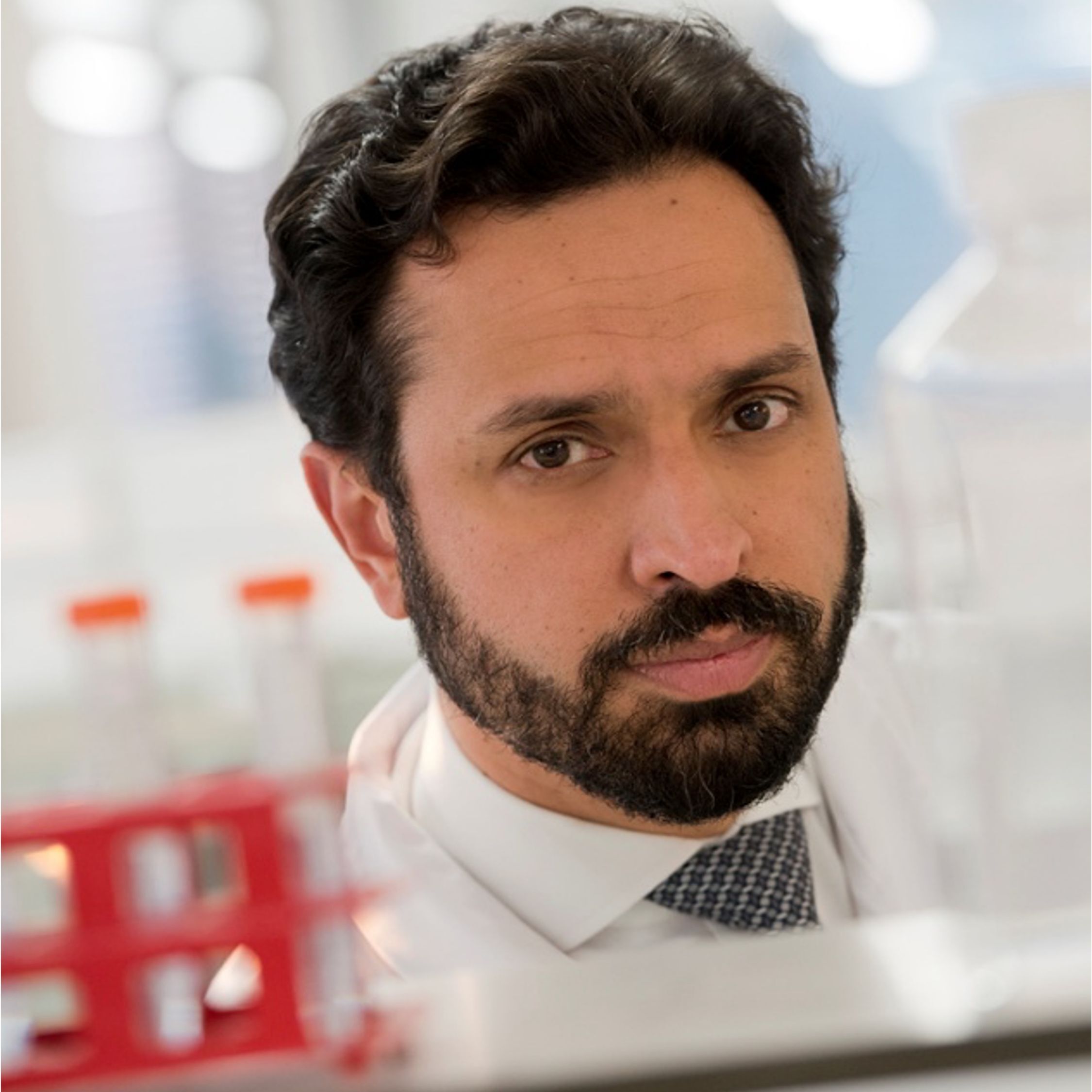
Advancing the boundaries of real-time live cell analysis
Conventional cell-based assays play a central role in drug discovery and biomedical research, but often rely on endpoint readouts, cell labeling, or extrapolated kinetic data. The use of invasive dyes and markers can alter cell physiology, introduce artifacts, and limit assay reproducibility.
This presentation focuses on real-time, label-free cell analysis using electrical impedance measurements. With the xCELLigence RTCA system, cells are cultured on microelectrode-integrated plates, where changes in impedance are continuously converted into a quantitative Cell Index reflecting cell attachment, morphology, proliferation, and viability. Applications including proliferation kinetics, time-resolved cytotoxicity profiling, and invasion assays will be discussed, illustrating how impedance-based monitoring provides higher temporal resolution and improved physiological relevance compared to conventional endpoint assays.
PhD Gaia Cangiotti
BioSPX
- Biomedical scientist Phd / Senior Product Specialist
13:30
–
14:00
19.03.2026
Science room

Unmasking pandemics: lessons from COVID-19 and the road ahead
Pandemics are not fully predictable, yet their occurrence is no surprise. As global mobility, wildlife trade, agriculture, urbanisation and climate change intensify, the risk of pathogens crossing from animals to humans steadily increases. COVID-19 tested science, politics and society on a global scale, exposing weaknesses but also demonstrating the impact of rapid vaccines, surveillance networks and international collaboration.
This talk will explore how pandemics emerge, what ecological and societal drivers enabled SARS-CoV-2 to spill over into humans, and what we have learned from the COVID-19 crisis in terms of public health preparedness, One Health policies, scientific communication and vaccine innovation.
Prof. Dr. Steven Van Gucht
Sciensano
- Scientific Director – Infectious Diseases in Humans, Sciensano
14:00
–
14:30
19.03.2026
Science room

Progress of immunotherapy for solid tumors, illustrated by melanoma and glioblastoma
Over the past decade, immunotherapy through immune checkpoint inhibition targeting the PD-(L)1, CTLA-4, and LAG-3 receptors has significantly improved the treatment of both solid and hematological tumors. Melanoma, a solid tumor for which no life-prolonging therapy had previously been available, was the first malignancy in which this new form of immunotherapy demonstrated a clear survival benefit. Since then, it has become evident that these treatments also provide substantial added value for other tumor types, such as lung, kidney, and bladder cancer.
An example of a malignancy that has so far proven resistant to immune checkpoint therapy is glioblastoma, the most aggressive and lethal form of brain tumor. The research group of Prof. Bart Neyns (UZ Brussels and VUB) has played a pioneering role in studying the effectiveness of immunotherapy in melanoma and has translated this expertise into innovative treatment strategies in clinical studies for glioblastoma.
Prof. Dr. Bart Neyns
UZ Brussel
- Diensthoofd Medische Oncologie, UZ Brussel
Klinisch Professor Faculteit Geneeskunde, Vrije Universiteit Brussel
14:30
–
15:00
19.03.2026
Science room

Navigating the Molecular Landscape of Health and Disease
The central dogma of biology describes how the genetic information of a cell (DNA) is transferred via RNA into actionable biochemical responses (proteins). Next to these “main” levels, additional layers (metabolites, lipids, etc.) play equally crucial roles. Contrary to the dogma, the relationship between the different layers is anything but linear. For instance, several studies showed discordances for most transcripts-protein pairs suggesting that mRNA levels are not always a good predictor of the respective protein abundance. At the base of this are additional ways of regulation through for instance posttranslational modifications of proteins, epigenetic changes, alternative splicing of DNA, etc. This also implies that, to understand the molecular mechanisms of a specific disease with the aim to enable or improve treatment strategies, requires an integrated approach using multiple (if not all) levels of the central dogma.
Prof. Dr. Bart Ghesquiere
KUL
- Head of Metabolomics Expertise Center
15:00
–
15:30
19.03.2026
Science room

Scientific sessions - Food
Hygiene measured smartly: inspiring examples from the food industry
Environmental sampling with biochemical and microbiological analyses is essential for evaluating the proper implementation of cleaning and disinfection and evaluating hygiene. Furthermore, environmental sampling during production is also crucial for providing food companies insight into the contamination burden of pathogens such as Listeria monocytogenes and Salmonella on their final products.
During this presentation practical examples of biochemical and microbiological monitoring used by the food industry for hygiene monitoring will be discussed. Examples for detecting persistent contaminations and biofilm risks are explained. Practical guidelines for environmental sampling and concrete examples of sampling plans, results, pathogen mapping, corrective actions, and trend monitoring are discussed in detail.
Dr. ir. Koen De Reu
ILVO -research institute for agricultural, fisheries and food
- Senior researcher, Flanders Research Institute for Agriculture, Fisheries and Food (ILVO)
10:30
–
11:00
20.03.2026
Science room

Automated sample preparation and analysis of mycotoxins in food
Mycotoxins are toxic secondary metabolites produced by fungi that can contaminate food and feed before harvest or during storage, posing serious risks to food safety, public health, and agricultural economics. Reliable analysis of complex matrices is therefore essential, driving demand for analytical workflows that balance sensitivity, speed, cost, and robustness.
This presentation outlines liquid chromatography and mass spectrometry–based strategies for mycotoxin analysis, ranging from targeted methods to multi-mycotoxin workflows. Particular attention is given to alternative and automated sample preparation approaches that improve analytical efficiency, shorten time-to-result, reduce operational costs, and limit human error in routine quality control and regulatory settings.
PhD Gerd Vanhoenacker
RIC
- Senior Scientist Applications LC
11:00
–
11:30
20.03.2026
Science room

Analytical tools for food safety
Analytical chemistry plays a key role in ensuring food safety, from routine compliance testing to assessing emerging risks and detecting food fraud. Changing diets and better process knowledge introduce new challenges. For example, higher consumption of lupines, a legume historically grown mainly in the Mediterranean, brings the risk of toxic alkaloids. Contaminants such as 3-MCPD and glycidol also raise concerns for infants and young children, though risk assessment shows most foods pose minimal threat. Food fraud, such as diluting apricot juice with cheaper peach juice or substituting soil-grown Belgian endive with hydroponic varieties, can be detected with modern analytical tools like LC-HRMS. These methods help ensure both consumer protection and integrity in the food supply chain.
PhD Bram Miserez
Primoris Belgium
- Research Manager
11:30
–
12:00
20.03.2026
Science room

How additive manufacturing accelerates local production
How can manufacturing move faster, closer and more efficiently to where products are actually needed? In his keynote, Kevin Sel addresses how additive manufacturing accelerates local production by rethinking the entire journey from design to final product. Drawing on applied research and concrete use cases, he shows how 3D printing shortens lead times, supports digital workflows and enables flexible, locally anchored manufacturing. This keynote offers practical insights into how additive manufacturing is shaping the future of production.
Kevin Sel
Thomas More - University of Applied Sciences
- Research & Innovation Coordinator
12:00
–
12:30
20.03.2026
Science room

Understanding the flavour of food products and ingredients with Sensory Analytics Statistics (SAS) approach
Food producers want to measure parameters that influence the sensory quality and flavour of their food products (e.g. product formulation, processing, shelf life, packaging, …). Nowadays, intrinsic flavour properties like odour/aroma, taste on the tongue and mouthfeel/texture are still measured in-company with human sensory expert panels that are selected and trained for specific food products or categories. On the other hand, consumer panels tell us which food products are preferred and accepted by consumers. Some aspects of sensory quality can be measured with chemical-analytical methods like GC-MS (gas chromatography-mass spectrometry) or mass spectrometry-based electronic nose technology (MS-nose) and other analytical techniques. In this lecture our Sensory Analytics Statistics (SAS) approach will be presented, correlating sensory data with analytical data to better understand the flavour of food products and to measure flavour-influencing factors
PhD Inge Dirinck
SENSTECH & Flanders' FOOD
- Technology Advisor / R&D Manager
13:30
–
14:00
20.03.2026
Science room

Opportunities and challenges in sustainable food packaging
The transition to more sustainable food packaging is well underway. The focus is mainly on developing new packaging compositions that are more easily recyclable or reusable. At the same time, sorting technologies and recycling systems are evolving rapidly. However, it is essential that these innovations do not compromise the primary function of packaging: ensuring the required shelf life and product safety. This lecture addresses the challenges and opportunities within this transition, illustrated with results from various innovation projects.
Prof. Dr. ir. Peter Ragaert
UGent / Pack4Food
- Director at Pack4Food & Professore Food Packaging technology at Ghent University
14:00
–
14:30
20.03.2026
Science room

Cocoa and chocolate analysis, from bean to praline
Cocoa and chocolate are complex food matrices, with product quality shaped by the characteristics of raw materials and each stage of processing from bean to praline. This talk will explore how quality evolves throughout cocoa processing, chocolate production, and related applications, highlighting analytical techniques such as microscopy, DSC, rheology, and more.
Claudia Delbaere
Cacaolab bv
- General Manager
14:30
–
15:00
20.03.2026
Science room

Cultivate connection
How to improve your LinkedIn profile
Simon Deré will guide you through practical tips and strategies to make your LinkedIn profile stand out. Learn how to highlight your skills, showcase your achievements, and make meaningful connections that can open doors to exciting career opportunities. Whether you are entering the job market or looking to grow your professional network, Simon’s insights will help you get noticed by the right people.
Simon Deré
Sales Tree
09:30
–
10:30
19.03.2026
19 + 20 maart - stand I6

Have your professional LinkedIn picture taken
Stephanie Smeets, a professional photographer, will help you create a polished, standout LinkedIn profile photo. Make a lasting first impression with a headshot that reflects your professionalism and personality. This is your chance to ensure your online presence truly represents your potential and ambition in the professional world.
Stephanie Smeets
Photographer
09:30
–
10:30
19.03.2026
19 + 20 maart - stand I6

Jobcafé for job seekers, recruiters and registered companies
The Jobcafé brings PhD candidates together with recruiters and HR-managers that are actively looking for advanced profiles and research-driven talent. It is a focused meeting place where expertise, ambition and opportunity connect through open conversations about careers, collaboration and real-world impact beyond academia.
Jobcafé
Laborama
13:00
–
14:00
20.03.2026
Plazza
Test before you invest
Look out for the stands where the action happens
Do & Discover Points are easy to spot on the floor plan and marked in the aisles with a distinctive balloon. Here, you can experience live demos of equipment and methods that could soon be part of your own lab, giving you a firsthand view of innovation in action.
Do & discover live demos
Laborama
09:30
–
16:30
19.03.2026
Look out for the stands where the action happens
Do & Discover Points are easy to spot on the floor plan and marked in the aisles with a distinctive balloon. Here, you can experience live demos of equipment and methods that could soon be part of your own lab, giving you a firsthand view of innovation in action.
Do & discover live demos
Laborama
09:30
–
16:00
20.03.2026
See tomorrow today
The specialist's stage - Custom laboratory glasswork: where science, skill and artistry meet
Step closer to The Specialist’s Stage and witness glass take shape under Frank Verwimp’s hands. Beyond artistry, each creation is a live exploration of material, method, and scientific insight, revealing the subtle intersections where craftsmanship and experimentation collide.
Frank Verwimp
LRG glastechniek
00:00
–
01:00
19.03.2026
19 + 20 maart - stand H5

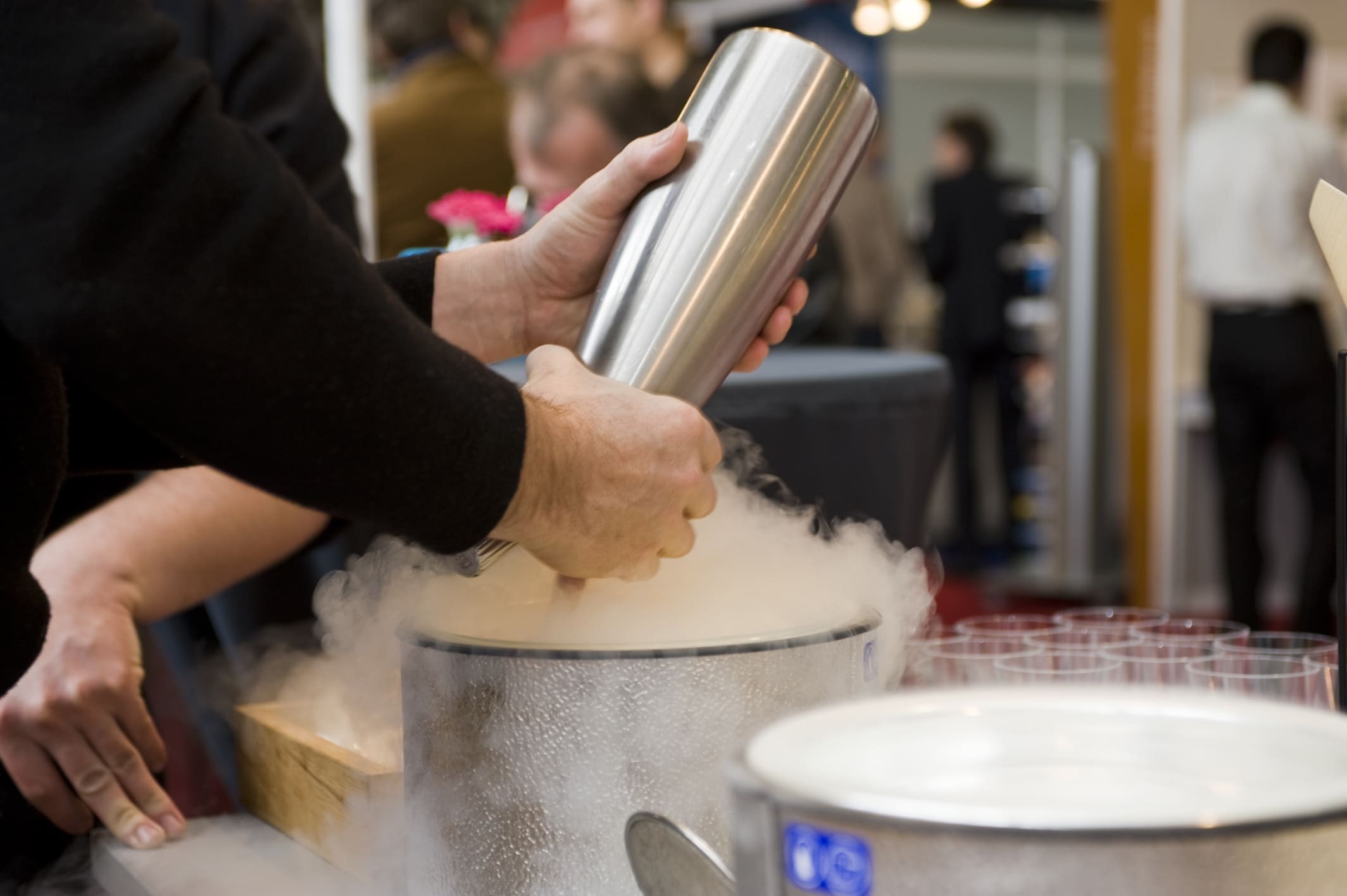
Gastronomy meets science - Translating laboratory precision into a live culinary experience using lab equipment
Chef Lieven Lootens
t Aards Paradijs
00:00
–
01:00
19.03.2026
Awardshow, recognising a product's technological advancements, relevance to the sector and real-world impact
Innovation needs more than visibility. It needs recognition, context and the right audience. The Innovation Award at Laborama 360 brings all three together, highlighting a breakthrough with the potential to influence the future of laboratories and the professionals behind them.
Don't miss the award ceremony and witness the next chapter of lab innovation unfold.
Innovation award ceremony
Laborama
16:45
–
17:45
19.03.2026
